

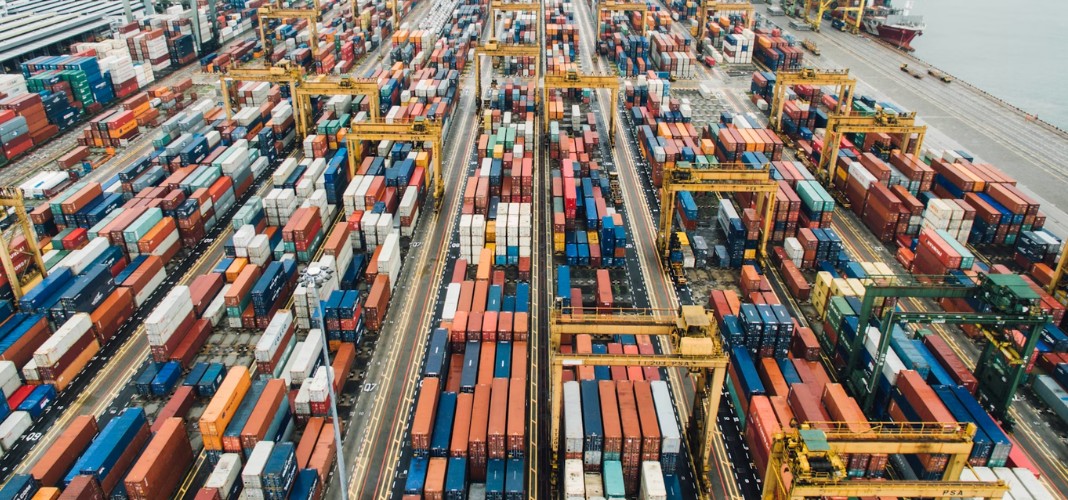

In today’s global economy, supply chains are more complex and more exposed to risk than ever before. From cyber threats and cargo theft to natural disasters and geopolitical instability, even a single vulnerability can lead to severe operational and financial consequences. Supply chain security risk analysis plays a vital role in helping organizations anticipate threats, strengthen resilience, and prevent costly disruptions before they occur.
Also Read: Secure Software Development: A Beginner’s Guide
What Is Supply Chain Security Risk Analysis?
Supply chain security risk analysis is a structured approach to identifying, evaluating, and prioritizing threats that can interrupt the movement of goods, data, and services. These risks can stem from physical security gaps, digital systems, third party partners, or environmental and political factors.
By systematically assessing risks across the supply chain, organizations gain a clear understanding of where vulnerabilities exist and how likely they are to cause disruption. This insight allows leaders to make informed decisions and implement protective measures with confidence.
Improving Visibility Across the Supply Chain
A major challenge for many organizations is limited visibility beyond immediate suppliers. Risk analysis encourages a comprehensive view of the entire supply chain, including secondary and tertiary vendors, transportation routes, warehouses, and distribution centers.
With greater visibility, organizations can identify dependencies that increase exposure to disruption. For example, reliance on a single supplier or transit route may pose significant risk. By uncovering these issues early, companies can diversify suppliers, adjust logistics strategies, and strengthen security controls.
Preventing Financial Loss and Operational Downtime
Supply chain disruptions often result in lost revenue, increased costs, and missed customer commitments. Security risk analysis helps reduce these impacts by identifying threats that could cause delays, theft, or system failures.
When risks are identified in advance, organizations can implement contingency plans such as alternative suppliers, inventory buffers, or enhanced monitoring. These proactive measures minimize downtime and help maintain consistent operations, even when unexpected events occur.
Protecting Data and Digital Infrastructure
Modern supply chains rely heavily on digital systems for procurement, logistics, and inventory management. This dependence increases exposure to cyber risks such as data breaches, ransomware attacks, and system outages.
Security risk analysis evaluates the strength of digital defenses across the supply chain, including third party technology providers. By addressing weaknesses in access controls, data protection, and system integration, organizations can prevent cyber incidents that could disrupt operations and compromise sensitive information.
Strengthening Supplier and Partner Accountability
Supply chains are only as strong as their weakest link. Risk analysis establishes clear security expectations for suppliers and partners, ensuring that all parties follow consistent standards.
Regular assessments, audits, and performance reviews encourage accountability and continuous improvement. This collaborative approach reduces the likelihood of security failures and builds trust across the supply chain network.
Also Read: Sleighing Cyber Threats: How Christmas-Time Security Gets Smarter with AI
Wrapping Up
Beyond preventing immediate disruptions, supply chain security risk analysis supports long term resilience. Organizations that regularly evaluate and update their risk strategies are better prepared to adapt to changing threats and market conditions.
By integrating risk analysis into strategic planning, businesses can protect their operations, maintain customer confidence, and achieve sustainable growth in an increasingly uncertain environment.
