Internet
Understanding Cable vs Fiber Internet Speed Comparison for Modern Enterprises
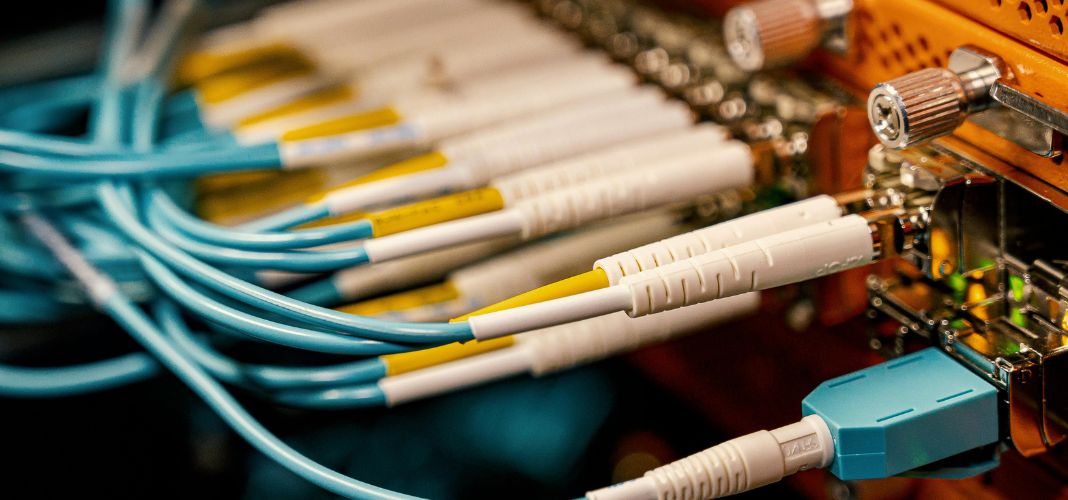
Image Courtesy: Pexels


For modern enterprises, internet connectivity is no longer just an operational need—it is a strategic asset. Whether your teams rely on cloud platforms, video collaboration, or real-time data processing, the quality of your connection directly impacts performance. This is why understanding a cable vs fiber internet speed comparison is critical when choosing the right infrastructure for your business.
Breaking Down Cable vs Fiber Internet Speed Comparison
At a fundamental level, cable and fiber differ in how they transmit data—and that difference defines performance.
Speed and Bandwidth Differences
Cable internet, built on coaxial copper wiring, typically offers strong download speeds but limited upload capacity. In contrast, fiber uses light signals through glass strands, delivering significantly higher and more consistent performance.
A cable vs fiber internet speed comparison shows that while cable may offer up to 1 Gbps download speeds, its upload speeds are often much lower. Fiber, on the other hand, provides symmetrical speeds—meaning uploads and downloads are equally fast. For businesses handling cloud backups, large file transfers, or video conferencing, this difference is substantial.
Consistency and Real-World Performance
Speed on paper does not always match real-world performance.
Cable networks often experience slowdowns during peak usage because bandwidth is shared among multiple users. Fiber connections are less prone to congestion, meaning businesses get closer to the speeds they are promised. This makes the comparison especially relevant for teams that require consistent performance throughout the day.
Reliability, Latency, and Security
Beyond speed, stability plays a crucial role in enterprise operations.
Lower Latency and Higher Reliability
Fiber internet offers significantly lower latency, reducing lag in real-time applications like video calls and cloud-based tools. It is also immune to electromagnetic interference and weather-related disruptions, making it far more stable than cable.
In any comparison, fiber consistently stands out as the more reliable option for mission-critical operations.
Enhanced Security for Business Data
Security is another important factor. Fiber networks are inherently more secure and harder to tap into, making them a better choice for organizations handling sensitive data.
Why Enterprises Are Moving Toward Fiber
As businesses embrace digital transformation, their connectivity needs evolve.
- Cloud applications require high-speed, low-latency connections
- VoIP and virtual meetings demand stable, uninterrupted bandwidth
- Growing teams need scalable infrastructure without performance drops
Fiber supports all of these requirements, making it the preferred choice in most cable vs fiber internet speed comparison scenarios.
That said, cable still has its place. For smaller businesses with basic internet needs or in areas where fiber is not yet available, it can be a practical and cost-effective solution.
Also Read: Beyond Privacy: The Hidden VPN Impact on Internet Speed
Conclusion
A clear cable vs fiber internet speed comparison reveals that while both options serve different needs, fiber is better suited for modern, data-driven enterprises. With faster speeds, lower latency, and greater reliability, it empowers businesses to operate without limitations.
So, the real question is not just which connection is faster—but which one supports where your business is headed next.