Mobility
How Electric Vehicle Range Improvement Is Solving the Last Barrier to Mass Adoption
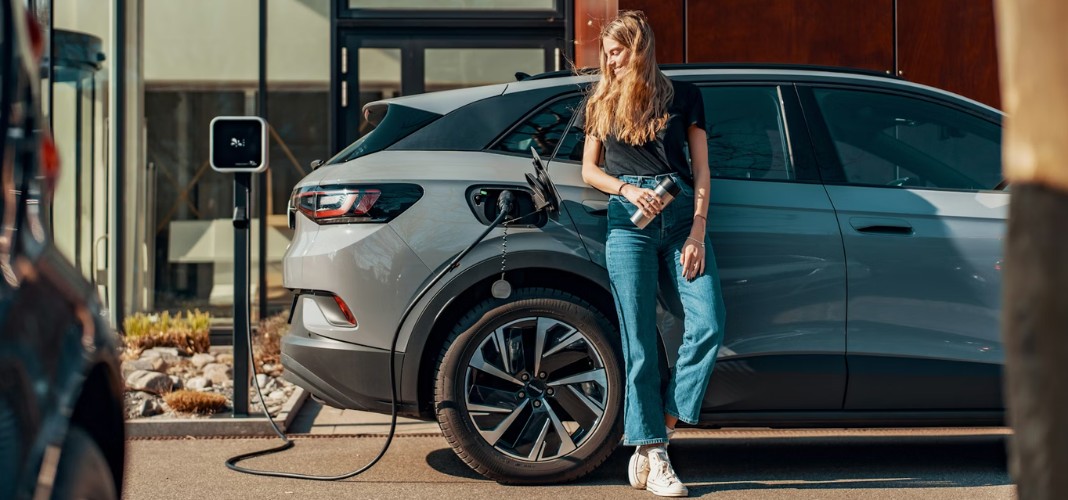
Image Courtesy: Unsplash


Electric vehicles have moved from niche innovation to mainstream consideration, yet one concern has consistently slowed widespread adoption: driving range. For many consumers and fleet operators, range anxiety remains the final psychological and practical barrier. While charging infrastructure and incentives have improved significantly, the question of how far an electric vehicle can travel on a single charge continues to influence purchasing decisions. Today, however, rapid advancements in range improvement are beginning to address this challenge in a meaningful way.
Also Read: Integrated Mobility Hubs: The Backbone of Data Driven Urban Transport
Battery Innovation Is Extending Possibilities
At the center of electric vehicle range improvement lies battery technology. Manufacturers are investing heavily in next generation battery chemistries, higher energy density materials, and improved cell architectures. These innovations allow vehicles to store more energy without significantly increasing size or weight. As a result, modern electric vehicles are capable of traveling longer distances on a single charge, bringing them closer to or even exceeding the range of traditional internal combustion engine vehicles.
Efficiency Is Becoming as Important as Capacity
While larger batteries contribute to extended range, efficiency plays an equally critical role. Automakers are optimizing vehicle design to reduce energy consumption through improved aerodynamics, lightweight materials, and advanced power management systems. Software driven efficiency enhancements, such as intelligent energy distribution and regenerative braking optimization, further extend usable range. This shift highlights that range improvement is not solely about increasing battery size but also about maximizing how energy is utilized.
Charging Ecosystems Are Strengthening Confidence
Range improvement is closely linked to the evolution of charging infrastructure. Faster charging technologies and more widespread charging networks are reducing the perceived limitations of electric vehicles. High speed chargers can now deliver significant range in a matter of minutes, making long distance travel more practical. As charging becomes more accessible and efficient, the dependency on maximum range alone diminishes, reinforcing consumer confidence in electric mobility.
Real World Range Transparency Matters
Another key development is the focus on delivering more accurate and transparent range estimates. Early electric vehicles often struggled with inconsistent range predictions, leading to uncertainty among users. Today, advanced data analytics and real time monitoring systems provide more reliable estimates based on driving conditions, terrain, and usage patterns. This transparency helps users plan journeys with greater confidence and reduces the anxiety associated with range limitations.
Impact on Consumer and Fleet Adoption
As range improves, the value proposition of electric vehicles becomes stronger across multiple segments. For individual consumers, extended range eliminates concerns about daily commuting and occasional long trips. For businesses and fleet operators, it enhances operational efficiency by reducing downtime and enabling broader route coverage. This expanded usability is a critical factor in accelerating adoption across both personal and commercial markets.
Sustainability and Cost Considerations
Range improvement also contributes to broader sustainability goals. More efficient vehicles require less frequent charging, reducing energy demand and supporting more sustainable energy consumption patterns. Additionally, advancements in battery technology are gradually lowering costs, making electric vehicles more accessible to a wider audience. As affordability improves alongside performance, the transition to electric mobility becomes increasingly viable.
A Converging Path Toward Mass Adoption
The convergence of battery innovation, efficiency optimization, and infrastructure development is transforming the electric vehicle landscape. Range is no longer a limiting factor but a continuously improving capability. This evolution is reshaping consumer perception and addressing one of the most persistent barriers to adoption.
Also Read: How Vehicle to Vehicle Communication Powers Predictive Driving
Conclusion
Electric vehicle range improvement is playing a pivotal role in accelerating the transition to sustainable mobility. By addressing range anxiety through technological innovation and ecosystem development, the industry is removing the final obstacle that has held back widespread adoption. As electric vehicles continue to deliver longer range, greater efficiency, and improved reliability, they are becoming a practical and compelling choice for a global audience. The path to mass adoption is no longer uncertain. It is actively being realized through continuous advancements in range and performance.