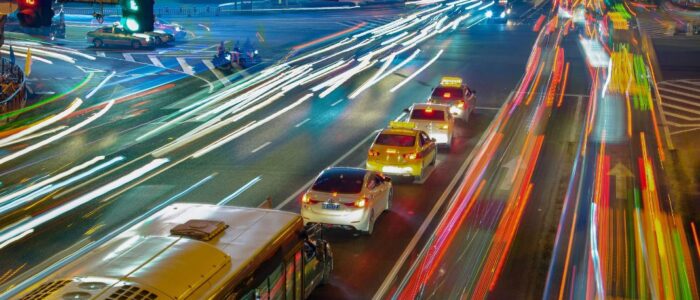


Urban traffic congestion affects far more than commute times. It increases vehicle idle time, creates unpredictable journeys, and puts additional pressure on existing transportation infrastructure. Simply building more roads cannot always solve the problem. Cities increasingly need transportation networks that can respond to changing conditions as they happen. This is where smart city mobility solutions bring a more connected and data-driven approach to urban transportation.
Making Traffic Signals More Responsive
Traditional traffic lights operate on predetermined schedules, even when traffic conditions change significantly throughout the day. Connected traffic management can make intersections far more responsive.
Using Real-Time Traffic Data
Cameras, road sensors, and connected infrastructure can provide continuous information about vehicle volumes and traffic movement. This data allows traffic systems to adjust signal timings according to actual conditions.
For example, an intersection experiencing unusually heavy traffic can receive longer green-light periods, helping reduce queues before they spread to nearby roads.
Prioritizing Public Transit
Traffic management can also give buses and other public transportation priority at busy intersections. Extending a green signal when a delayed bus approaches can help maintain schedules while making public transit a more attractive alternative to driving.
Giving Commuters Smarter Travel Options
Reducing congestion also means addressing why people choose private vehicles in the first place. Smart city mobility solutions can make alternative transportation easier to access and navigate.
- Mobility-as-a-Service: Combines public transit, bike sharing, ride-hailing, and other options into unified journey-planning platforms.
- Smart parking: Connected sensors can direct drivers toward available parking spaces, reducing unnecessary circulation.
- Real-time navigation: Live traffic information can identify congestion and suggest alternative routes.
Expanding Shared and Active Mobility
Short journeys do not always require a private car. Shared bicycles, e-scooters, and on-demand shuttles can provide practical alternatives for shorter trips.
When these services are connected with public transportation, they can help solve first- and last-mile challenges while reducing the number of single-occupancy vehicles on the road.
Turning Traffic Data Into Better Decisions
The real strength of smart city mobility solutions lies in their ability to connect information across the transportation network. Traffic patterns, transit activity, parking availability, and incidents can be analyzed together to reveal where congestion originates and how it moves.
This gives transportation planners better insight for adjusting infrastructure, services, and traffic strategies instead of relying solely on historical patterns.
Also Read: The EV Charging Station Management Challenge Behind High Growth Networks
Creating Smoother Urban Mobility
Congestion will remain a challenge as cities grow, but transportation networks do not have to remain reactive. By combining real-time data, intelligent traffic control, connected transit, and shared mobility, smart city mobility solutions can help cities make better use of the infrastructure they already have.
The goal is not simply to move more vehicles. It is to create transportation systems that move people more efficiently, predictably, and sustainably.