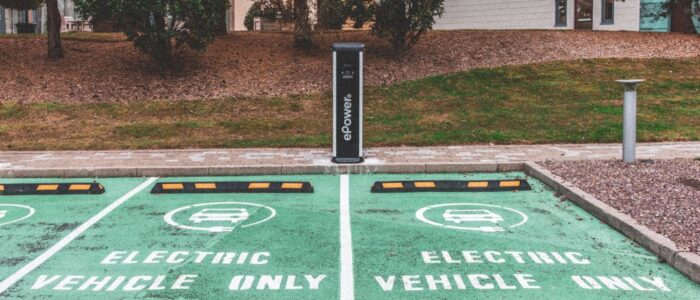


Electric vehicle charging networks are becoming more complex as adoption grows and operators manage more chargers, vehicles, energy demand, and operational data. As a result, EV charging station management is shifting beyond basic hardware deployment toward data-driven operations, automated monitoring, and intelligent energy management. This evolution is helping operators gain greater visibility into charging infrastructure while improving reliability and controlling operational costs.
From Charger Deployment to Intelligent Operations
Traditional charging infrastructure primarily focused on installing chargers and keeping them operational. Modern EV charging station management takes a broader approach by connecting charging hardware, software, energy systems, and operational data.
This shift allows operators to understand charger performance in real time and respond to changing demand. Instead of treating every charging session independently, intelligent platforms can coordinate multiple chargers and use available data to make operational decisions.
Several developments are driving this transition.
Dynamic Load Management
As more vehicles charge simultaneously, unmanaged demand can place significant pressure on electrical infrastructure. Dynamic load management addresses this by distributing available capacity across active charging ports based on real-time demand.
Rather than allowing every charger to draw maximum power simultaneously, intelligent systems can adjust charging levels according to available capacity and operational priorities. This helps operators manage peak demand while making better use of existing electrical infrastructure.
For commercial fleets and large charging sites, this can become particularly important as the number of connected vehicles increases.
Cloud-Based Charging Operations
Cloud platforms are also changing how operators monitor and manage charging networks. A centralized dashboard can provide visibility into charger health, charging sessions, uptime, and other operational information without requiring teams to manage individual chargers separately.
With remote monitoring and control, operators can identify issues, manage charging sessions, and respond to equipment problems from a central location. This makes EV charging station management more scalable as charging networks expand across multiple sites.
Smarter Energy and Cost Management
Energy costs can significantly influence the economics of EV charging. Intelligent management systems can use time-of-use pricing, automated scheduling, and available energy resources to determine when and how vehicles should charge.
Charging can be shifted toward periods when electricity is less expensive, while battery storage or renewable energy can be incorporated where available. This creates an opportunity to manage energy consumption alongside vehicle charging rather than treating electricity as a fixed operational expense.
For fleet operators, smarter scheduling can also help align charging with vehicle availability. Vehicles can receive the required charge before scheduled deployment while avoiding unnecessary simultaneous demand.
Predictive Maintenance Improves Reliability
Charger downtime can disrupt operations and create a poor experience for drivers. Predictive maintenance introduces another layer of intelligence by using connected devices and diagnostic data to identify potential hardware problems.
Instead of waiting for a charger to fail completely, operators can identify unusual performance patterns and address issues earlier. This proactive approach can improve charger availability and reduce unexpected interruptions.
Building the Next Generation of Charging Networks
The evolution of EV charging station management reflects a broader move toward connected and automated infrastructure. Dynamic load management, cloud-based operations, energy optimization, and predictive maintenance are turning charging networks into intelligent operational environments.
For businesses managing commercial fleets or expanding charging infrastructure, this shift can provide greater control over equipment, energy consumption, and network performance. As EV adoption continues to grow, intelligent management will become increasingly important for keeping charging infrastructure reliable, efficient, and scalable.
Also Read: How Smart City Mobility Solutions Help Optimize Bus Routes
Conclusion
EV charging station management is moving from simply maintaining charging hardware to coordinating an interconnected ecosystem of chargers, vehicles, energy resources, and operational data. By combining real-time monitoring, dynamic load balancing, smarter energy strategies, and predictive maintenance, operators can build charging networks that are better equipped to handle growing demand while improving reliability and operational efficiency.