

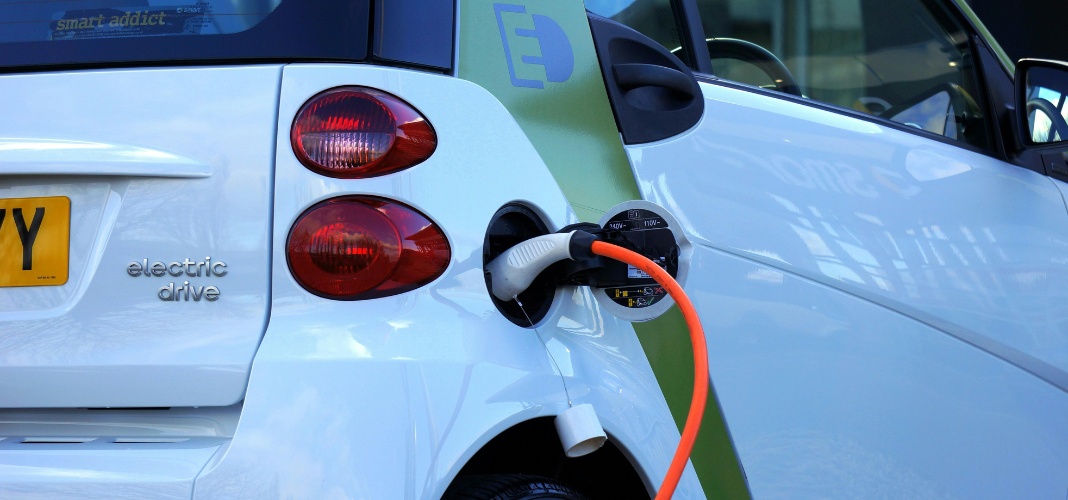

When you decide to purchase an electric vehicle, one of the most practical investments becomes installing a reliable home charging system. The level 2 EV charger installation cost is a critical factor in this decision and understanding it helps you budget effectively and avoid unexpected expenses.
What Determines Your Level 2 EV Charger Installation Cost
The total level 2 EV charger installation cost depends on several interconnected factors. Your electrical panel capacity plays a major role: if your home has sufficient capacity with available breaker slots, your installation becomes straightforward. However, if upgrades are needed, costs climb considerably.
Distance from your electrical panel to your charger location significantly impacts labor and materials. A short run of 10–15 feet require minimal conduit and wiring, keeping expenses lower. Longer distances mean more materials and labor hours, potentially doubling installation costs.
Breaking Down the Expenses
The charger unit itself typically costs $400 to $1,200, depending on brand and features. Smart chargers with WiFi connectivity and app controls add $100–$300 to equipment costs. Electrician labor generally runs $500 to $1,500, varying by region and installation complexity.
Permits and inspections add $50 to $300, depending on local requirements. Many municipalities mandate electrical permits for Level 2 installations to ensure safety compliance. Some homeowners attempt to skip permitting, but this risks safety issues and complicates future home sales.
Smart Cost-Saving Strategies
Before accepting a panel upgrade quote, request evaluation of load management devices. These intelligent systems distribute power between your EV charger and household appliances, preventing overload without full panel replacement. Load management devices typically cost $400–$800 installed, creating significant savings compared to $1,500–$2,500 panel upgrades.
Federal tax credits reduce your effective level 2 EV charger installation cost by 30%, up to $1,000, covering equipment, labor, permits, and upgrades. Check eligibility requirements—most homeowners with qualifying EVs and primary residences can claim this credit.
Many utility companies offer rebates and off-peak charging rates specifically designed to encourage home charging installations. These incentives can reduce your net costs by 20–30%, making home charging even more economical than public stations.
Understanding your home’s compatibility for EV charger components empowers informed decision-making. With proper planning and cost-saving strategies available, home EV charging becomes an accessible and economical choice for most car owners ready to transition to electric vehicles.
