Mobility
Vehicle-to-Vehicle Communication: Exploring Mobiles Apps as Control Hubs
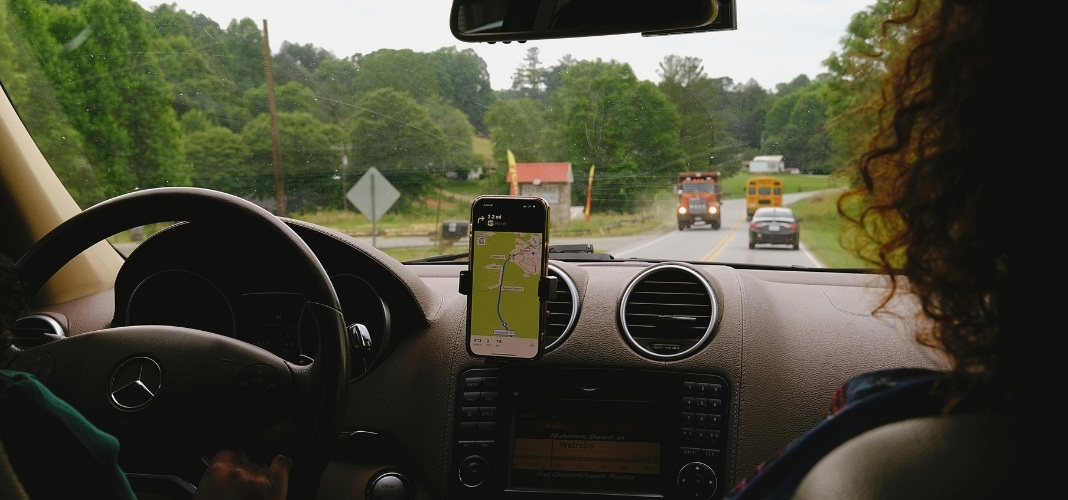
Image Courtesy: Unsplash


Vehicle-to-vehicle communication is transforming how cars share information, respond to road conditions, and support safer driving decisions. As vehicles become more connected, mobile apps increasingly serve as centralized control hubs that allow drivers, fleet managers, and developers to interact with these systems in real time.
By connecting vehicles through intuitive mobile interfaces, the automotive ecosystem gains greater visibility, control, and responsiveness.
Also Read: Vehicle-to-Vehicle Communication in 2025: The Future of Safer, Smarter Mobility
Discover how mobile apps act as control hubs for vehicle-to-vehicle communication, improving safety, data flow, and connected driving.
Let’s examine how mobile apps function as central control points within connected vehicle ecosystems.
Mobile Apps as the Central Interface for Connected Vehicles
Mobile apps bridge the gap between complex vehicle systems and everyday users. They translate technical data into actionable insights that drivers can easily understand. Through smartphones and tablets, users can receive alerts, monitor vehicle status, and view traffic or hazard updates without relying solely on in-vehicle displays. This accessibility makes mobile apps a practical control layer that supports safer and more informed driving experiences.
How Vehicle-to-Vehicle Communication Works with Mobile Platforms
Vehicle-to-vehicle communication allows cars to exchange data such as speed, location, and braking activity. Mobile platforms collect this data and present it through dashboards, notifications, and analytics tools. Apps also enable remote configuration, allowing users to manage settings or permissions with ease. This integration helps drivers stay aware of surrounding conditions while reducing cognitive load behind the wheel.
Benefits for Drivers, Fleets, and Developers
For individual drivers, mobile apps enhance situational awareness and confidence on the road. Fleet operators gain centralized oversight, which supports route optimization, incident tracking, and compliance reporting. Developers benefit from mobile ecosystems that support rapid updates and scalable features. By aligning mobile app functionality with connected vehicle systems, stakeholders create more adaptive and efficient mobility solutions.
Future Outlook for Mobile-Controlled Connected Vehicles
As connectivity standards evolve, mobile apps will continue to expand their role as control hubs. Improvements in mobile processing, security, and user experience will support broader adoption and deeper integration. Vehicle-to-vehicle communication will benefit from these advancements by delivering faster insights and more reliable interactions across platforms.
Conclusion
Mobile apps now play a critical role in managing connected vehicle ecosystems. By acting as control hubs, they help translate complex data into meaningful actions. As vehicle-to-vehicle communication continues to mature, mobile-driven control will remain essential for safety, efficiency, and innovation in modern transportation.