Mobility
Vehicle to Vehicle Communication Technology Explained in a Simple Way
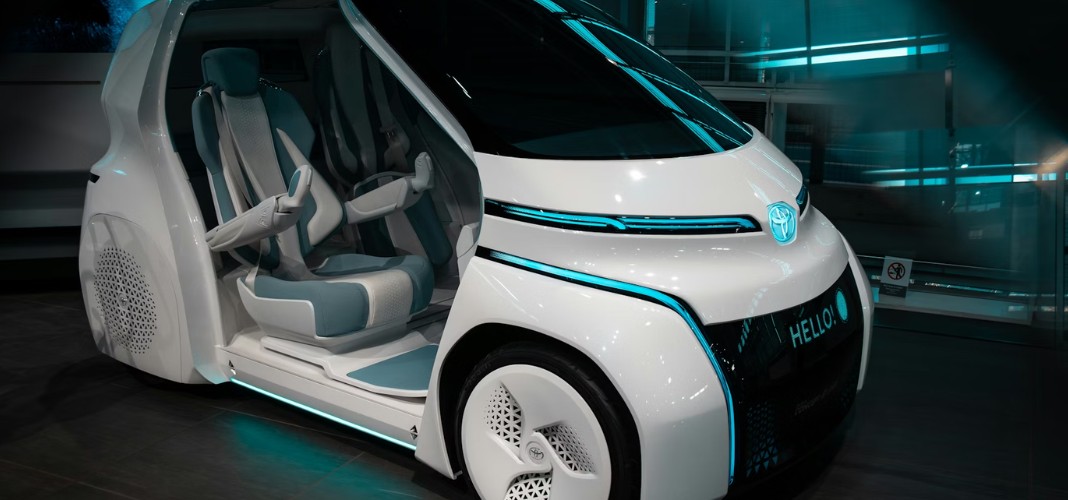
Image Courtesy: Unsplash


Vehicle to vehicle communication technology is changing how cars interact on the road. Instead of operating independently, this technology allows vehicles to communicate with each other in real time. The goal is simple: to make driving safer, smoother, and smarter for everyone. While the concept may sound complex, the idea behind it is actually very easy to understand.
Also Read: Integrated Mobility Hubs and the Future of Connected Urban Movement
What Is Vehicle to Vehicle Communication Technology?
Vehicle to vehicle communication technology allows cars to send and receive information wirelessly. Each vehicle shares data such as speed, position, direction, and braking status with nearby vehicles. This exchange happens automatically and within milliseconds, without driver involvement. The vehicles use this shared information to understand what is happening around them, even beyond what the driver can see.
How Vehicle to Vehicle Communication Works?
Every connected vehicle is equipped with sensors, GPS systems, and a communication unit. When a car changes speed, applies brakes, or detects a hazard, it broadcasts that information to other vehicles in range. Nearby cars receive the data and process it instantly. If a risk is detected, the system can alert the driver or assist the vehicle in responding appropriately. This happens faster than human reaction time, which makes it especially valuable for accident prevention.
Why This Technology Is Important?
Most road accidents are caused by delayed reactions or a lack of awareness. Vehicle-to-vehicle communication technology helps solve this problem by providing drivers and vehicles with warnings. For example, if a car ahead suddenly brakes or encounters slippery conditions, following vehicles can be warned before the danger becomes visible. This early awareness can reduce collisions, traffic congestion, and road fatalities.
Improving Road Safety for Everyone
One of the biggest advantages of vehicle to vehicle communication technology is enhanced safety. It helps drivers make better decisions by providing real time updates about road conditions and nearby vehicles. Even in poor visibility situations such as fog, heavy rain, or sharp turns, vehicles can still communicate risks. This creates a safer driving environment not only for drivers but also for passengers, pedestrians, and cyclists.
Making Traffic Flow Smarter
Beyond safety, vehicle to vehicle communication technology also improves traffic efficiency. When cars share information about congestion or sudden slowdowns, traffic flow becomes more coordinated. Vehicles can adjust speed earlier instead of stopping suddenly. Over time, this can lead to fewer traffic jams, reduced travel time, and lower fuel consumption. Smarter traffic flow also means less stress for drivers and a more pleasant driving experience.
Supporting the Future of Autonomous Vehicles
Self driving cars rely heavily on data to operate safely. Vehicle to vehicle communication technology plays a key role in supporting autonomous driving systems. While sensors and cameras help a vehicle see its surroundings, communication technology allows it to understand situations beyond its line of sight. This shared awareness makes autonomous vehicles more reliable and better prepared for complex road scenarios.
Is Vehicle to Vehicle Communication Safe and Secure?
Security is a major focus of this technology. Data shared between vehicles does not include personal information about drivers. Instead, it uses anonymous safety messages that are encrypted and protected. This ensures privacy while still delivering accurate and timely alerts. As the technology evolves, security standards continue to improve to protect users and maintain trust.
When Will This Technology Become Common?
Vehicle to vehicle communication technology is already being tested and introduced in modern vehicles. As more cars become connected, the benefits will increase. Governments and automotive manufacturers are working together to support wider adoption. In the coming years, this technology is expected to become a standard feature, just like seat belts and airbags.
Also Read: Vehicle-to-Vehicle Communication: Exploring Mobiles Apps as Control Hubs
Final Thoughts
Vehicle to vehicle communication technology explained in a simple way, comes down to one idea cars helping each other make better decisions. By sharing information instantly, vehicles can prevent accidents, reduce traffic problems, and prepare for a smarter future of mobility. As this technology becomes more widespread, it will play a major role in making roads safer and driving more efficiently for everyone.