Mobility
How Autonomous Vehicle Technology Is Revolutionizing Fleet Management
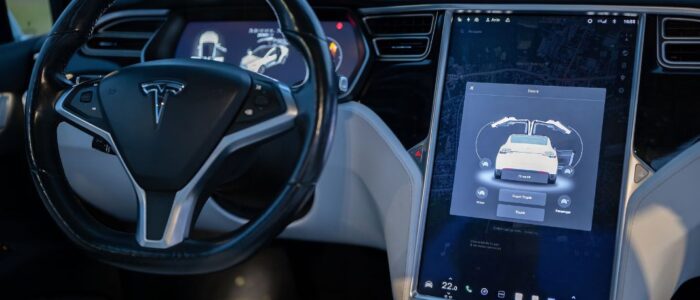
Image Courtesy: Pexels


The transportation industry is entering a new era where automation and artificial intelligence are redefining fleet operations. Businesses are increasingly adopting autonomous vehicle technology to improve efficiency, lower operational costs, and enhance road safety. From predictive maintenance to intelligent route planning, autonomous fleets are enabling organizations to build smarter, more resilient transportation networks.
Improve Fleet Efficiency with Intelligent Automation
Modern fleets generate vast amounts of operational data. Autonomous vehicle technology transforms this data into actionable insights that streamline day-to-day operations.
Key advantages include:
- AI-powered vehicle coordination for continuous operations.
- Optimized routes that reduce fuel consumption and travel time.
- Platooning capabilities that improve road efficiency and lower operating costs.
- Better asset utilization through automated fleet scheduling.
These capabilities help businesses maximize productivity while minimizing downtime.
Predictive Maintenance and Safer Operations
Unexpected vehicle failures can disrupt deliveries and increase maintenance costs. Intelligent monitoring systems continuously assess vehicle health, helping operators detect issues before they become major problems.
With autonomous vehicle technology, businesses can:
- Monitor vehicle performance in real time.
- Schedule maintenance before breakdowns occur.
- Reduce repair costs and extend vehicle lifespan.
- Enhance driver and vehicle safety using Advanced Driver Assistance Systems (ADAS) and intelligent telematics.
Proactive maintenance improves reliability while reducing operational risks.
Smarter Decisions Through Connected Fleets
Connected fleet ecosystems provide real-time visibility across every vehicle, enabling faster and more informed decision-making.
Organizations leveraging autonomous vehicle technology benefit from:
- Unified telematics for live fleet monitoring.
- AI-driven route and load optimization.
- Automated risk detection and incident response.
- Data-backed insights that improve fleet planning and resource allocation.
These technologies help businesses deliver faster, safer, and more cost-effective transportation services.
Also Read: Why Open Charge Point Interface (OCPI) Is Critical for Modern EV Charging Station Management
Conclusion
As the mobility landscape continues to evolve, autonomous vehicle technology is becoming a key driver of innovation in fleet management. By combining AI, predictive maintenance, intelligent routing, and connected telematics, organizations can improve efficiency, reduce costs, and strengthen operational resilience. Businesses that invest in autonomous fleet capabilities today will be better prepared to meet the demands of tomorrow’s transportation ecosystem.