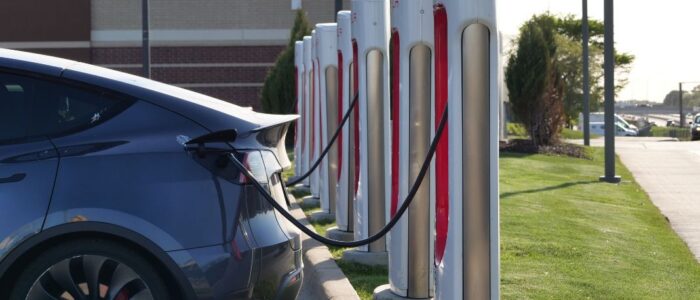


As businesses transition to electric vehicles, managing charging infrastructure is becoming an important part of fleet operations. EV charging station management helps commercial fleets coordinate vehicles, chargers, energy use, and departure schedules from a centralized platform. By automating charging schedules, balancing electrical loads, monitoring station performance, and controlling access, businesses can keep vehicles ready for the road while making better use of their charging infrastructure.
Why Commercial Fleets Need Smarter Charging Management
Managing a few electric vehicles is relatively straightforward. However, as fleets grow, charging multiple vehicles at the same time can create operational and energy challenges. Fleet managers need to know which vehicles are charging, when they need to be ready, how much power each vehicle requires, and whether the available electrical capacity can support demand.
Manual tracking makes this difficult and can lead to unnecessary charging costs, underused infrastructure, or vehicles that are not fully charged when needed. EV charging station management brings these activities together, giving fleet operators greater visibility into charging operations and helping them align energy use with business requirements.
Key Ways EV Charging Station Management Simplifies Fleet Operations
1. Balancing Power Across Multiple Vehicles
Charging several EVs simultaneously can place significant demand on a facility’s electrical infrastructure. Smart load balancing helps distribute available power across connected vehicles according to charging requirements and operational priorities.
Rather than allowing every vehicle to draw maximum power at once, charging systems can dynamically adjust power allocation. This allows fleets to make better use of existing electrical capacity and helps prevent unnecessary peaks in energy demand.
For larger commercial fleets, this can be particularly valuable because charging infrastructure may need to support dozens of vehicles without requiring immediate electrical upgrades.
2. Automating Charging Schedules
Not every vehicle needs to charge as soon as it returns to the depot. EV charging station management software can schedule charging sessions around vehicle availability, departure times, and route requirements.
For example, a vehicle scheduled for an early-morning delivery can receive priority, while vehicles that will remain parked overnight can charge later. Fleets can also schedule charging during off-peak periods where lower electricity rates are available.
This approach helps fleet managers move away from first-come, first-served charging and toward a system based on actual operational needs.
3. Monitoring Charger Performance
A malfunctioning charging station can create problems when vehicles need to leave for their next routes. Centralized monitoring gives fleet managers visibility into charger availability, charging sessions, and unusual power behavior.
Instead of physically inspecting every charging point, teams can identify potential problems through a centralized dashboard. Early visibility can help reduce charging disruptions and give maintenance teams more time to resolve issues before they affect fleet schedules.
4. Controlling Access and Tracking Charging Data
Commercial charging infrastructure may be shared between drivers, departments, or different vehicle groups. Access controls can help organizations ensure that charging stations are used by authorized personnel.
Charging platforms can also record information such as energy consumption, charging duration, and station utilization. These insights can help businesses understand how their infrastructure is being used and identify opportunities to improve efficiency.
Over time, this data can support decisions about charger placement, fleet expansion, energy planning, and infrastructure investment.
How Smart Charging Supports Fleet Electrification
Fleet electrification is not simply a matter of replacing combustion-engine vehicles with EVs. Businesses also need infrastructure capable of supporting new operating patterns.
EV charging station management connects charging infrastructure with fleet requirements, helping organizations coordinate energy availability with vehicle schedules. This becomes increasingly important as businesses add more EVs and operate larger charging sites.
A centralized approach can also make expansion easier. Fleet managers can evaluate charger utilization, identify capacity constraints, and determine where additional charging infrastructure may be required.
Building a More Efficient Commercial EV Fleet
The success of an electric fleet depends partly on how effectively vehicles can be charged and prepared for their next assignments. Automated scheduling, power management, charger monitoring, and access controls can reduce the administrative burden on fleet teams while providing greater operational visibility.
With EV charging station management, businesses can move from manually managing individual charging sessions to coordinating their entire charging environment through data-driven systems.
As commercial fleets continue to electrify, this centralized approach can help businesses create a charging operation that is more predictable, scalable, and aligned with everyday mobility requirements.
Also Read: How Autonomous Vehicle Technology Is Moving From Assisted Driving to True Autonomy
Conclusion
Commercial EV fleets require charging infrastructure that can keep pace with changing vehicle numbers, routes, energy requirements, and operational schedules. EV charging station management provides the tools to coordinate these requirements through smart scheduling, load balancing, performance monitoring, and centralized data.
For businesses expanding their electric fleets, managing charging intelligently can help turn charging infrastructure from a potential operational challenge into an integrated part of efficient fleet management.