Mobility
Why Vehicle to Grid Integration Is Becoming a Defining Layer of EV Ecosystem Technology
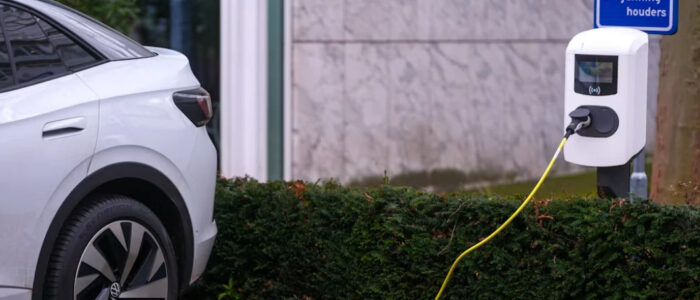
Image Courtesy: Unsplash


Electric vehicles are changing more than how people travel. As EV adoption expands, the relationship between transportation and electricity infrastructure is becoming increasingly important. Connected charging stations, battery management platforms, and smart grid technologies are creating opportunities for vehicles to participate in energy management.
Vehicle to grid (V2G) integration represents a significant development in this transition. Through bidirectional charging, compatible electric vehicles can draw electricity from the grid and return stored energy when required. This capability positions EVs as potential distributed energy resources rather than simply additional sources of electricity demand.
Also Read: How a Connected Mobility Platform Makes Multimodal Travel Work Better
When Parked Vehicles Become Grid Assets
Electric vehicles spend considerable time parked, leaving their batteries unused for transportation. V2G technology creates an opportunity to use a portion of this stored capacity to support electricity networks.
Bidirectional chargers enable electricity to flow between vehicles and the grid. During periods of high electricity demand, participating EVs can supply stored energy back to the network. They can then recharge when demand decreases or electricity becomes more readily available.
Coordinating these activities across multiple vehicles could help utilities manage peak loads and improve demand flexibility. However, participation depends on battery availability, vehicle compatibility, charging infrastructure, and driver requirements.
Balancing Renewable Power With Mobile Storage
The growing contribution of solar and wind energy introduces variability into electricity generation. Grid operators must continuously balance supply and demand, particularly when renewable output changes with weather conditions.
V2G integration can contribute to this balancing process by making distributed battery capacity available when needed. Intelligent charging platforms can schedule energy consumption around renewable generation patterns, electricity prices, and grid requirements.
This creates a closer relationship between electric mobility, renewable power generation, and energy storage infrastructure.
The Intelligence Behind Bidirectional Charging
Making V2G work at scale requires more than compatible vehicles and charging equipment. Digital platforms must coordinate communication between EVs, charging stations, utilities, and grid management systems.
AI driven analytics can support demand forecasting, charging optimization, and battery performance monitoring. Interoperability standards and secure communication protocols are also essential to ensure that different technologies can exchange information reliably.
What Could Slow Down V2G Adoption?
Infrastructure investment, battery degradation concerns, regulatory requirements, and unclear compensation models remain important challenges. Automakers, utilities, charging providers, and regulators must establish practical frameworks for managing energy transfers while protecting vehicle owners and grid operations.
Also Read: How AI Is Expanding the Capabilities of Mobility Analytics Software
Conclusion
Vehicle to grid integration is extending the role of electric vehicles into the energy sector. By connecting mobile battery storage with intelligent charging and grid management, V2G can contribute to renewable energy integration and electricity network flexibility. Its continued development will help shape a more interconnected EV ecosystem.