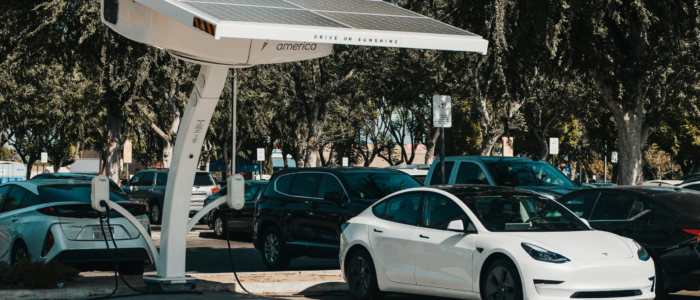


Electric vehicles have moved beyond being an alternative transportation option. In 2026, they are becoming a major force in economic growth, industrial development, and energy transformation. As EV adoption continues to rise, businesses, consumers, and governments are experiencing both financial opportunities and infrastructure challenges.
The economic impact of electric vehicle technology 2026 extends far beyond the automotive sector, influencing manufacturing, employment, energy markets, and long-term sustainability goals.
Lower Ownership Costs for Consumers
One of the biggest drivers of EV adoption is affordability over time. While purchase prices can still be higher than conventional vehicles, operating costs are often significantly lower.
Electric vehicles require less maintenance because they have fewer moving parts and do not need services such as oil changes. Combined with lower charging costs compared to traditional fuel expenses, EVs offer a lower total cost of ownership for many drivers and fleet operators.
Strengthening Manufacturing and Supply Chains
The rapid growth of the EV market is creating new opportunities across manufacturing ecosystems. Battery production, power electronics, and charging equipment have become key areas of investment.
As companies expand local battery manufacturing capabilities, they can reduce supply chain risks and improve production efficiency. This shift is also encouraging innovation in battery technology and supporting the development of new industrial sectors.
Creating New Employment Opportunities
Electric vehicle technology is generating demand for highly skilled workers. Engineers, software developers, battery specialists, and charging infrastructure professionals are increasingly needed to support industry growth.
The expansion of the EV ecosystem is also creating indirect employment opportunities in manufacturing, logistics, energy, and maintenance services. As the industry grows, so does the need for specialized talent.
Improving Energy Security
Reducing reliance on fossil fuels remains one of the most significant economic advantages of EV adoption. As more drivers switch to electric mobility, economies can reduce fuel imports and strengthen long-term energy resilience.
At the same time, investments in renewable energy and charging infrastructure help create a more diversified and sustainable energy ecosystem.
Addressing Infrastructure Challenges
Despite strong momentum, challenges remain. Expanding charging networks, upgrading power grids, and supporting large-scale EV adoption require substantial investment.
Organizations and policymakers must balance rapid growth with infrastructure development to ensure that future demand can be met efficiently and reliably.
Also Read: The Untapped Value of Transportation Data and Why Smart Mobility Platforms Are Unlocking It
Conclusion
The economic impact of electric vehicle technology 2026 reaches far beyond transportation. From lowering ownership costs and creating new jobs to strengthening manufacturing and supporting energy security, EV innovation is reshaping industries and economies alike. As adoption continues to grow, organizations that invest in the EV ecosystem will be well-positioned to benefit from the next phase of mobility transformation.