ProTech Insights
  • Home
  • MobilityFind mobile apps, mobile development, mobile devices, mobile security and more.
  • Security
  • DataExplore, analyze, and understand the world through data. Find the right information on data that will help you get deeper insights for your business.
  • AI
  • Blog
  • Resources

Mobility

Vehicle to Vehicle Communication Technology Explained in a Simple Way
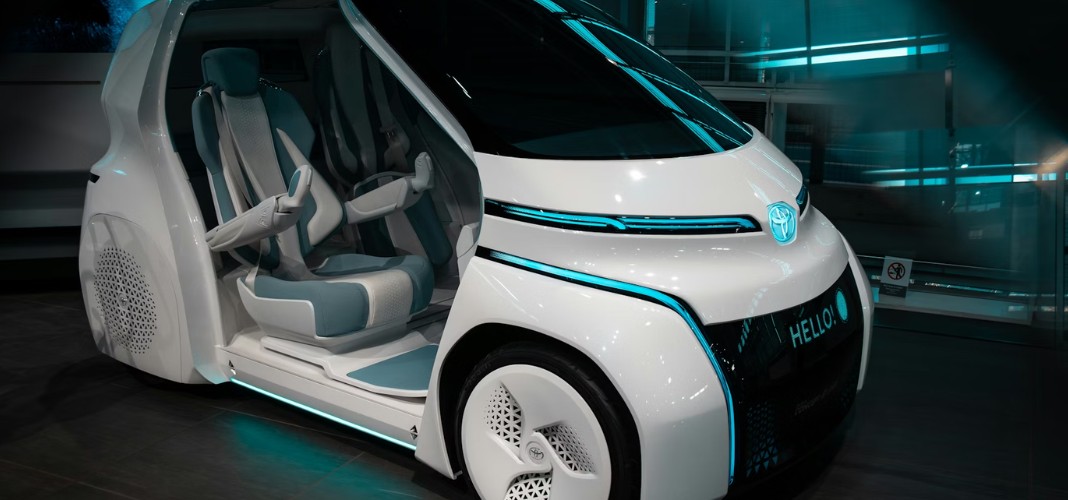
Vehicle to Vehicle Communication Technology Explained in a Simple Way
Image Courtesy: Unsplash
alt
  •  Imran Khan
  • February 17, 2026

Vehicle to vehicle communication technology is changing how cars interact on the road. Instead of operating independently, this technology allows vehicles to communicate with each other in real time. The goal is simple: to make driving safer, smoother, and smarter for everyone. While the concept may sound complex, the idea behind it is actually very easy to understand.

Also Read: Integrated Mobility Hubs and the Future of Connected Urban Movement

What Is Vehicle to Vehicle Communication Technology?

Vehicle to vehicle communication technology allows cars to send and receive information wirelessly. Each vehicle shares data such as speed, position, direction, and braking status with nearby vehicles. This exchange happens automatically and within milliseconds, without driver involvement. The vehicles use this shared information to understand what is happening around them, even beyond what the driver can see.

How Vehicle to Vehicle Communication Works?

Every connected vehicle is equipped with sensors, GPS systems, and a communication unit. When a car changes speed, applies brakes, or detects a hazard, it broadcasts that information to other vehicles in range. Nearby cars receive the data and process it instantly. If a risk is detected, the system can alert the driver or assist the vehicle in responding appropriately. This happens faster than human reaction time, which makes it especially valuable for accident prevention.

Why This Technology Is Important?

Most road accidents are caused by delayed reactions or a lack of awareness. Vehicle-to-vehicle communication technology helps solve this problem by providing drivers and vehicles with warnings. For example, if a car ahead suddenly brakes or encounters slippery conditions, following vehicles can be warned before the danger becomes visible. This early awareness can reduce collisions, traffic congestion, and road fatalities.

Improving Road Safety for Everyone

One of the biggest advantages of vehicle to vehicle communication technology is enhanced safety. It helps drivers make better decisions by providing real time updates about road conditions and nearby vehicles. Even in poor visibility situations such as fog, heavy rain, or sharp turns, vehicles can still communicate risks. This creates a safer driving environment not only for drivers but also for passengers, pedestrians, and cyclists.

Making Traffic Flow Smarter

Beyond safety, vehicle to vehicle communication technology also improves traffic efficiency. When cars share information about congestion or sudden slowdowns, traffic flow becomes more coordinated. Vehicles can adjust speed earlier instead of stopping suddenly. Over time, this can lead to fewer traffic jams, reduced travel time, and lower fuel consumption. Smarter traffic flow also means less stress for drivers and a more pleasant driving experience.

Supporting the Future of Autonomous Vehicles

Self driving cars rely heavily on data to operate safely. Vehicle to vehicle communication technology plays a key role in supporting autonomous driving systems. While sensors and cameras help a vehicle see its surroundings, communication technology allows it to understand situations beyond its line of sight. This shared awareness makes autonomous vehicles more reliable and better prepared for complex road scenarios.

Is Vehicle to Vehicle Communication Safe and Secure?

Security is a major focus of this technology. Data shared between vehicles does not include personal information about drivers. Instead, it uses anonymous safety messages that are encrypted and protected. This ensures privacy while still delivering accurate and timely alerts. As the technology evolves, security standards continue to improve to protect users and maintain trust.

When Will This Technology Become Common?

Vehicle to vehicle communication technology is already being tested and introduced in modern vehicles. As more cars become connected, the benefits will increase. Governments and automotive manufacturers are working together to support wider adoption. In the coming years, this technology is expected to become a standard feature, just like seat belts and airbags.

Also Read: Vehicle-to-Vehicle Communication: Exploring Mobiles Apps as Control Hubs

Final Thoughts

Vehicle to vehicle communication technology explained in a simple way, comes down to one idea cars helping each other make better decisions. By sharing information instantly, vehicles can prevent accidents, reduce traffic problems, and prepare for a smarter future of mobility. As this technology becomes more widespread, it will play a major role in making roads safer and driving more efficiently for everyone.


Tags:

Mobile AppsMobile Technology

Author - Imran Khan

Imran Khan is a seasoned writer with a wealth of experience spanning over six years. His professional journey has taken him across diverse industries, allowing him to craft content for a wide array of businesses. Imran's writing is deeply rooted in a profound desire to assist individuals in attaining their aspirations. Whether it's through dispensing actionable insights or weaving inspirational narratives, he is dedicated to empowering his readers on their journey toward self-improvement and personal growth.

About Us

From inspiring stories about the latest happenings to the most innovative hacks, tips, and tricks, explore the top technology content only at Pro-Tech Insights.

Quick links

  • About Us
  • Blog
  • Resources
  • Contact Us

Geo Location

  • APAC
  • EMEA
  • Global
  • LATAM
  • NA
  • About Us
  • Blog
  • Blog – OLD
  • Blog-Empty
  • CALIFORNIA CONSUMER RIGHTS: Do Not Sell My Personal Information
    • Web Form
  • Cloud
  • Contact Us
  • Contact Us – OLD
  • Cookie Policy
  • Covid-19
  • Disclaimer
  • Do Not Sell My Information Request Access
  • Do Not Sell My Information Request Removal
  • Feedback Form
  • Feedback Form – Get a chance to win up to $100
  • Footer Template
  • Forgot password
  • Forgot Password
  • GDPR: General Data Protection Regulation
  • Hello World
  • Home
  • Home
  • Home New
  • Home old backup
  • Image Deletion Page
  • Maintenance Page
  • Migration Page
  • My Account
  • My Bookmarks
  • New Home Page
  • News
  • Newsletter
  • Opt-Out Preferences
  • Password Recovery
  • Privacy Policy
  • Protechinsights Home
  • Reading Lists
  • Register
  • Registration
  • Reset Password
  • Resources
  • Sign in
  • Submissions
  • Subscribe
  • subscribe new
  • Subscribe Thank You
  • Terms of Service
  • test ram
  • Thank you
  • Thank You – PDF
  • Thank you – Redirect
  • Thank You Page
  • Thank You Page – New
  • The HR Daily
We use cookies on our website to give you the most relevant experience by remembering your preferences and repeat visits. By clicking “Accept All”, you consent to the use of ALL the cookies. However, you may visit "Cookie Settings" to provide a controlled consent.
Cookie SettingsAccept All
Manage consent

Privacy Overview

This website uses cookies to improve your experience while you navigate through the website. Out of these, the cookies that are categorized as necessary are stored on your browser as they are essential for the working of basic functionalities of the website. We also use third-party cookies that help us analyze and understand how you use this website. These cookies will be stored in your browser only with your consent. You also have the option to opt-out of these cookies. But opting out of some of these cookies may affect your browsing experience.
Necessary
Always Enabled
Necessary cookies are absolutely essential for the website to function properly. These cookies ensure basic functionalities and security features of the website, anonymously.
CookieDurationDescription
cookielawinfo-checkbox-analytics11 monthsThis cookie is set by GDPR Cookie Consent plugin. The cookie is used to store the user consent for the cookies in the category "Analytics".
cookielawinfo-checkbox-functional11 monthsThe cookie is set by GDPR cookie consent to record the user consent for the cookies in the category "Functional".
cookielawinfo-checkbox-necessary11 monthsThis cookie is set by GDPR Cookie Consent plugin. The cookies is used to store the user consent for the cookies in the category "Necessary".
cookielawinfo-checkbox-others11 monthsThis cookie is set by GDPR Cookie Consent plugin. The cookie is used to store the user consent for the cookies in the category "Other.
cookielawinfo-checkbox-performance11 monthsThis cookie is set by GDPR Cookie Consent plugin. The cookie is used to store the user consent for the cookies in the category "Performance".
viewed_cookie_policy11 monthsThe cookie is set by the GDPR Cookie Consent plugin and is used to store whether or not user has consented to the use of cookies. It does not store any personal data.
Functional
Functional cookies help to perform certain functionalities like sharing the content of the website on social media platforms, collect feedbacks, and other third-party features.
Performance
Performance cookies are used to understand and analyze the key performance indexes of the website which helps in delivering a better user experience for the visitors.
Analytics
Analytical cookies are used to understand how visitors interact with the website. These cookies help provide information on metrics the number of visitors, bounce rate, traffic source, etc.
Advertisement
Advertisement cookies are used to provide visitors with relevant ads and marketing campaigns. These cookies track visitors across websites and collect information to provide customized ads.
Others
Other uncategorized cookies are those that are being analyzed and have not been classified into a category as yet.
SAVE & ACCEPT